Guy Woodward: We need Gen Z in vineyards, not wine bars
There has been constant consternation in recent years over the apparent resistance of the younger generation to alcohol, particularly wine. I’ve banged on about this before – Gen Z are no great loss given they’re strapped for cash, promiscuous in their tastes, and unlikely to properly get into wine until their 30s (a view backed up by the latest IWSR study, which found that the main reason for such abstinence is economic rather than social).
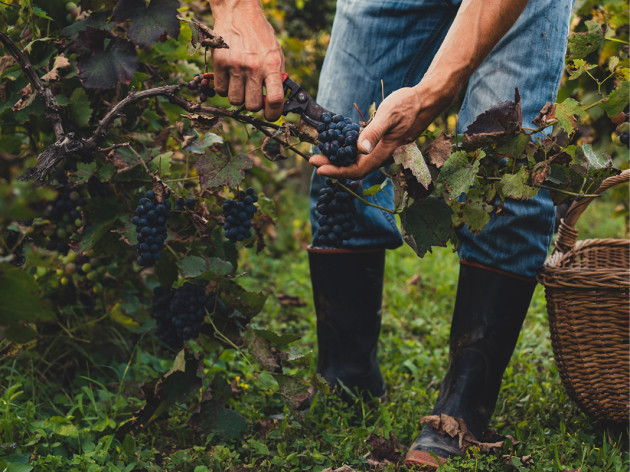
What is more concerning to me – and should be to all of us – is the wealth of evidence that that same generation is turning away from a career in wine – particularly in the vineyards.
In wine regions across the world, there are constant tales of producers struggling to persuade a young workforce into the industry. The issue is particularly pronounced close to cities – which, for historic trading reasons, many of the world’s great wine regions tend to be. Put yourself in the shoes of a 16-year-old in the Yarra Valley. Would you want to stay in the same sleepy, rural enclave in which you grew up? Or would you head an hour south to the bright lights and boundless opportunity of Melbourne? Then think of their contemporaries in Piedmont, a couple of hours from Milan; or Franschhoek, closer still to Cape Town; or the Maipo Valley, within striking distance of Santiago.
On the harsh, steep slopes of the Douro, an hour from the vibrant Porto, Port houses and growers are all too familiar with the situation. “It’s definitely an issue,” Anthony Symington of the family dynasty told me. In the past, you would get three generations of one local family doing the harvest, who all knew the ropes. “When I did my first harvest 20 years ago, one of my colleagues was the local police chief, who brought his young son with him. Today, when students finish school, it’s more attractive to get a year’s contract in the tourism industry, rather than a month’s work here. Or go to Porto or even abroad, to work in marketing, sales, whatever.”
↓
No next generation
As part of his comprehensive annual Rioja Report, my esteemed colleague Tim Atkin MW revealed that the average age of the 94 growers who supply Bodegas Muga is 64; at the co-op in Cenicero, only one member is under the age of 40. “Young people are leaving the countryside and looking for work in towns and cities,” Arturo de Miguel of the acclaimed Artuke told him. “There is no next generation,” warned another grower. More worrying still, the local university’s master’s Degree course in Viticulture & Oenology, which usually attracts around 50 students, was cancelled this year when only four enrolled.
Beyond the risk to small producers, a more existential threat exists. Around the world, various economic and political forces are exerting huge pressure on picking resources – hard, physical work that is increasingly reliant on casual, migrant labour (of whatever age), with all the issues now attached to that. The Symington quintas have turned to Nepal as a source of such manpower, to good effect, albeit with the additional challenges of skills, learning, language and integration.
In the UK, the issue has been exacerbated by the disaster of Brexit, which has made it far more difficult to recruit skilled, regular labour for the tough, physical jobs that few locals want to do.
In California, President Trump’s ICE agency has created an uneasy atmosphere among wineries gearing up for harvest. Pickers now face the risk of turning up for work only to be arrested and deported. The vast majority of pickers in California are migrants – often without legal documentation, but ones who form a skilled and experienced workforce, meaning that concerns extend beyond employee safety to business reality.
As Sam Coturri, owner of Sixteen 600 winery in Sonoma County, told Decanter: “It’s already a fairly difficult economy, especially for small producers. Anything that adds costs or increases pressure is going to be detrimental.”
And then there is the ugly situation in Champagne, with the deaths of several vineyard workers amid widespread tales of horrendous mistreatment, and a court finding three bosses of agencies engaged by large houses guilty of human trafficking.
Great wine is indeed made in the vineyard. But such stories are unlikely to persuade young adults that the vineyard is a place they want to be. And if the next generation has no interest in tending vines and picking grapes, there will be no wine to sell – regardless of who might eventually buy it.
Keywords:
Search




56-58 Church Walk, Burgess Hill, West Sussex, RH15 9AN
Registered in England No. 6646125. VAT No. 938 4452 95